Запросить коммерческое предложение
Укажите оборудование и требования к проекту. Если вам нужна помощь в выборе модели, опишите условия применения.
Есть чертежи или спецификации? Отправьте их на [email protected] и укажите номер или название проекта.


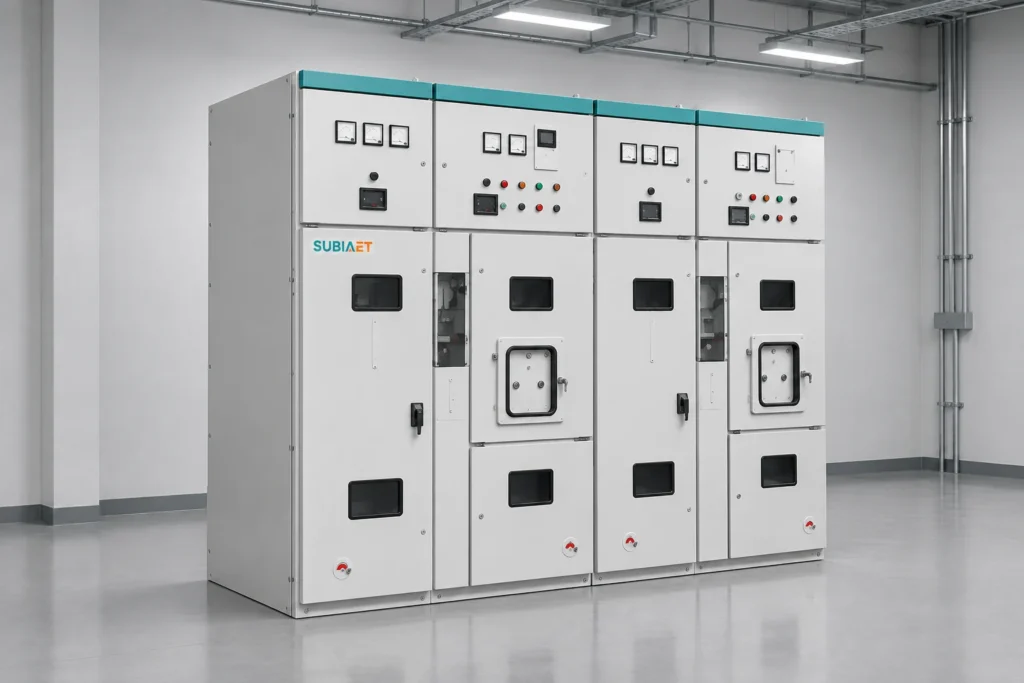
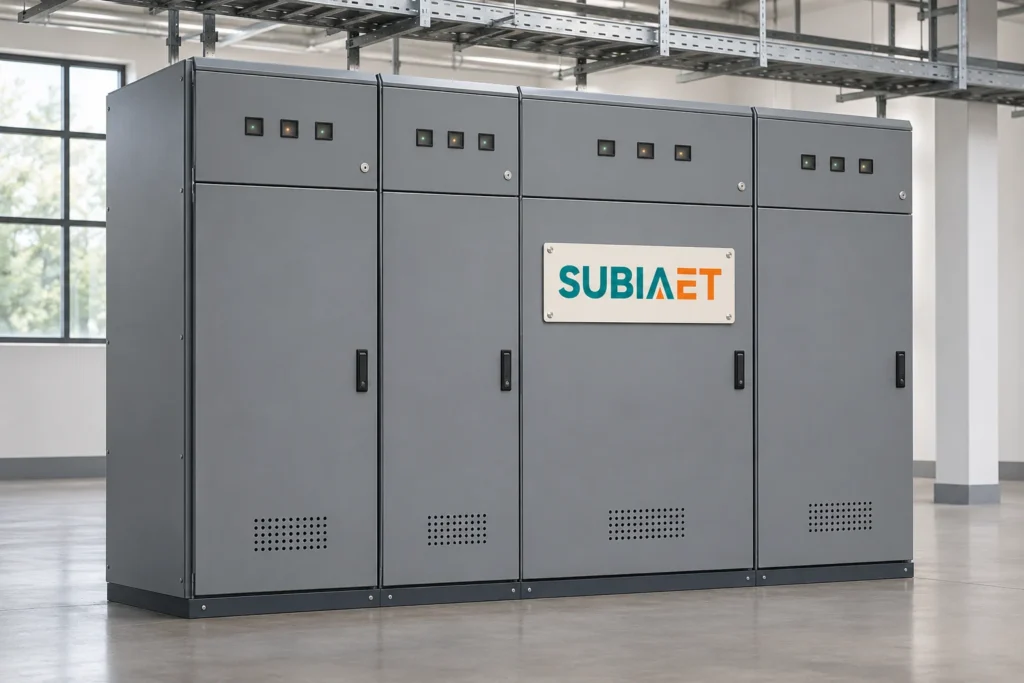
Medium-voltage switching and low-voltage distribution assemblies for incoming supply, feeder protection and motor control. Share your single-line diagram and cabinet schedule for a configuration review.
Start with the voltage side and circuit duty. Each family has its own models, electrical ratings and installation requirements.
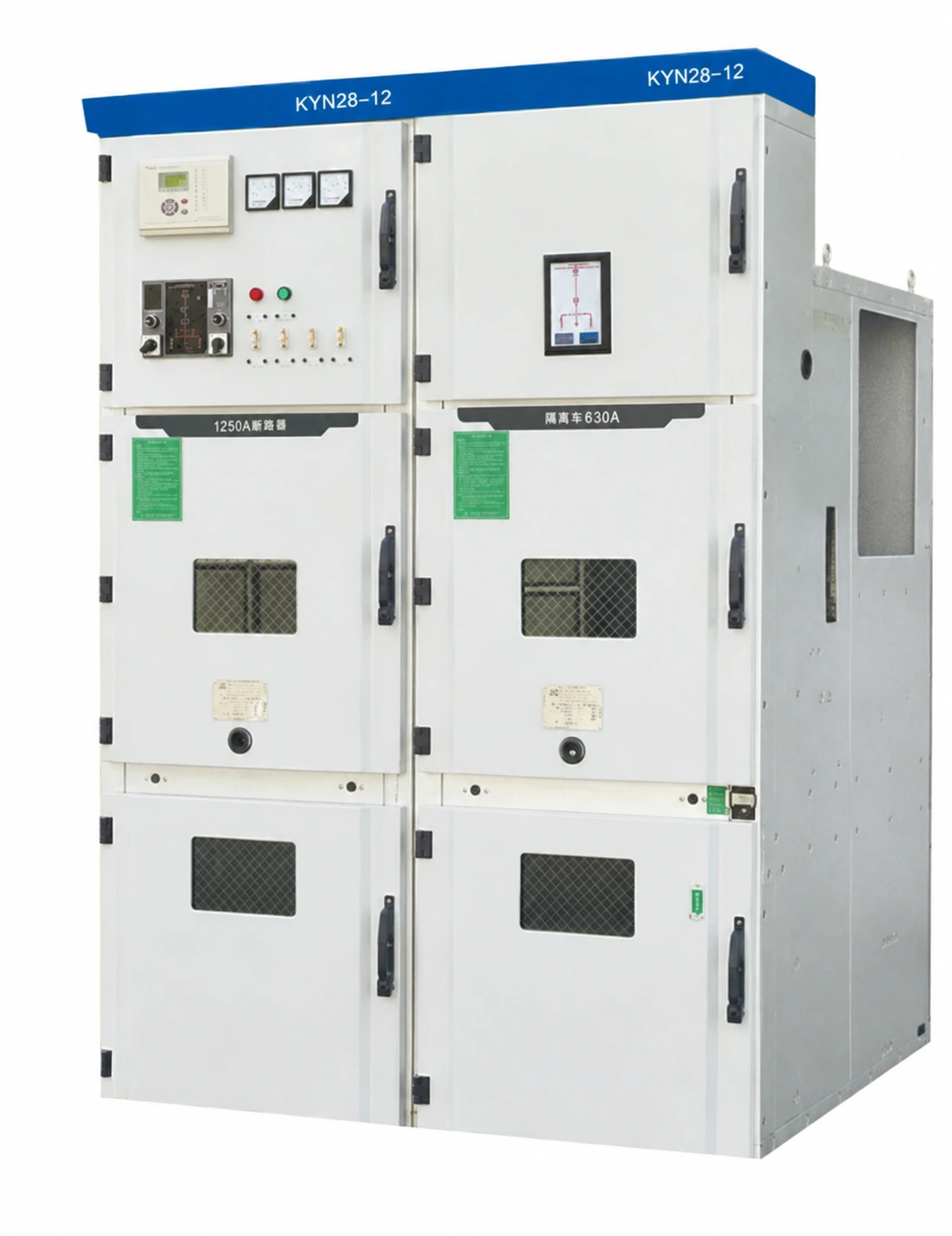
Incoming supply, feeder switching and transformer protection. Explore the KYN, XGN and HXGN model arrangements.

Main distribution, outgoing feeders and motor-control units. Compare GGD fixed cabinets with GCS, GCK and MNS draw-out assemblies.
A typical distribution arrangement. Use the project single-line diagram to define each voltage side, protection boundary and connection to equipment supplied by others.
Compare each model against the project schedule. Check busbar and outgoing-circuit ratings separately, along with the specified construction and protection arrangement.
Compare fixed and withdrawable MV switchgear
Plan incoming supply, ring-network connections and transformer feeders from the utility scheme. Confirm switching duties, protection, metering and operating interlocks for each panel.
Explore application
Coordinate production feeders and motor-control circuits with the plant load schedule. Review bus sections, maintenance arrangements, expansion space and the interfaces between MV and LV equipment.
Explore application
Define incoming sources, essential circuits and the required maintenance supply arrangements. Check transfer interfaces, access control, cable routes and the service space around the assemblies.
Explore application
Start with the inverter or plant AC interface, the collection scheme and the connection requirements. Specify switching, protection, metering and control responsibilities for each distribution section.
Explore application
SUBIA reviews your ratings, single-line diagrams and cabinet schedule to prepare the proposed equipment configuration.
Discuss MV, transformer and LV connections together, with each panel function, control interface and supply responsibility identified.
Agree the drawing schedule and inspection records during technical review, matching the documents to the equipment and ratings being supplied.
Review transport sections, package markings and accessory lists so your team can plan receipt, unloading and assembly at the site.
Use the single-line diagram to identify each voltage side and its circuit functions. MV equipment covers the specified incoming, feeder and transformer-protection duties; LV assemblies cover downstream distribution and motor-control requirements. Include both sides when the project needs a coordinated equipment review.
Compare the isolation, maintenance, replacement and service-access requirements for the actual circuits. Then review the model arrangement, protection devices, functional units and available installation space. Construction type alone does not establish the required electrical ratings.
They are a starting point. Provide the prospective fault level and duration, circuit duties, protection scheme, busbar and feeder requirements, control interfaces and service conditions. Keep the ratings for each voltage side and circuit separate.
Yes. Show the equipment and connection points on the single-line diagram and schedule. Define transformer interfaces, protection and metering responsibilities, external cables or bus ducts, and which parts of the installation are supplied by others.
Provide the room arrangement, operating and maintenance clearances, cable entry, bus-duct connections and delivery route. Include ambient conditions, altitude, exposure and any size restrictions. Use approved project drawings to confirm the installed dimensions and interfaces.
Send the single-line diagram, cabinet and functional-unit schedules, known ratings, protection and control requirements, and the room layout. Identify open items. Agree the required drawings, verification or test evidence, acceptance points and delivery documents during the quotation review.