Phone:
(701)814-6992
Physical address:
6296 Donnelly Plaza
Ratkeville, Bahamas.

Phone:
(701)814-6992
Physical address:
6296 Donnelly Plaza
Ratkeville, Bahamas.
Products / Substations & Prefabricated Cabin
Define the electrical assembly and the site boundary together. Distribution stations, PV step-up stations, charging-site supply and equipment cabins have different functions; the single-line diagram and equipment list show which transformer, switching, distribution and enclosure interfaces belong in the project.
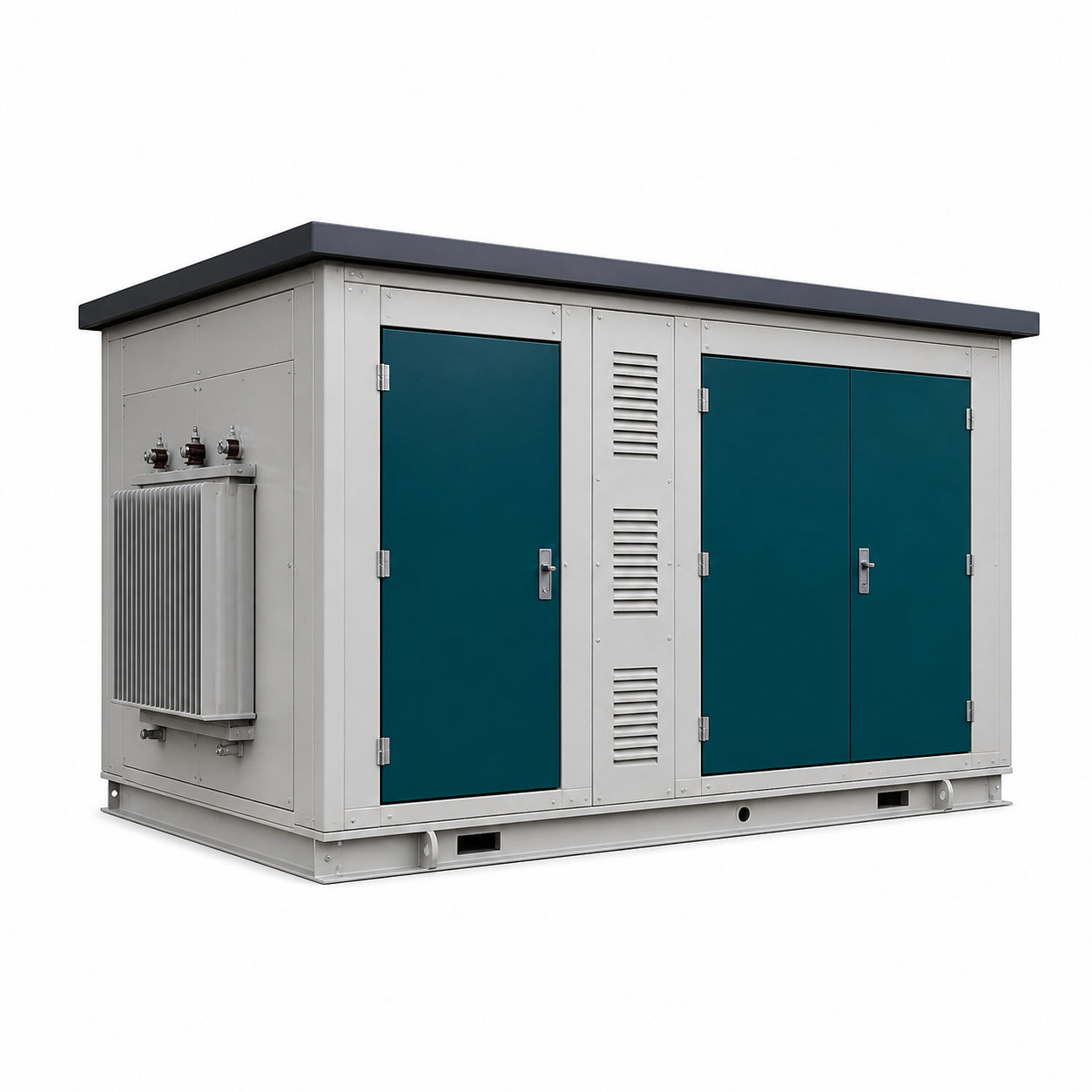
Product routes
Review the function and interfaces, then view the equipment or discuss the project requirements.
A station assembly coordinating transformer, high-voltage and low-voltage functions.
A PV step-up assembly between inverter AC output and the collection or grid side.
Charging-site supply and distribution equipment scope.
A prefabricated equipment cabin with defined control and monitoring interfaces.
Decision guide
Compare the station function and included equipment before choosing an enclosure arrangement.
| Station category | Primary design question | Key boundary | Useful first document |
|---|---|---|---|
| Prefabricated Substation | Which high-voltage, transformer and low-voltage functions sit in one station? | Equipment sections, cable entries and site works | Single-line diagram and station equipment schedule |
| PV Step-up Substation | How does one PV block connect from inverter output to collection side? | Inverter, station and grid-side interfaces | PV block single-line diagram and inverter output data |
| Charging Pile Dedicated Substation | How is the charging load supplied and distributed on the site? | Utility service, charging feeders and site footprint | Load/feeder schedule and utility connection brief |
| Intelligent Prefabricated Cabin | What equipment and control functions belong inside the cabin? | Cabin, contained equipment and monitoring scope | Equipment list, layout concept and I/O or communications brief |
Project sequence
Mark whether the assembly distributes a utility supply, steps up a PV block, serves charging loads or houses a defined set of power and control equipment.
Show incoming and outgoing voltages and circuits, transformer duty, protection and metering points, and the division between station equipment and external plant.
Record the footprint, foundation and cable approach, access for operation and maintenance, ambient conditions, and transport or lifting restrictions.
Identify the required equipment list, single-line diagram, general arrangement, control interfaces, destination standard and any site work excluded from the equipment package.
The same site can lead to different station layouts depending on which equipment and interfaces are inside the supply scope.
Engineering inputs
Procurement questions
No. A transformer is one equipment item. A complete station scope may also include high-voltage switching, low-voltage distribution, protection, metering, enclosure and site interfaces. List those sections explicitly on the single-line diagram and equipment schedule.
Show the inverter AC output, the number of connected circuits, the required collection-side connection, and the proposed protection and metering points. These details define where the station begins and ends electrically.
No. The footprint follows the actual equipment list, cable entry, access, ventilation and transport constraints. A general arrangement drawing should be checked for the selected project configuration before civil design is fixed.
No. The service connection, charging load, feeder arrangement and available site space determine the equipment brief. Define those inputs and the utility interface before comparing station layouts.
A cabin describes an enclosure or equipment-room arrangement. A substation description also identifies the electrical transformation and distribution functions. Specify the equipment housed inside the cabin and who supplies its control and monitoring interfaces.
Start with the single-line diagram, equipment schedule and site or general arrangement. Add cable-entry, foundation, control and communications drawings as the interface list develops; mark external works separately from equipment inside the enclosure.