Phone:
(701)814-6992
Physical address:
6296 Donnelly Plaza
Ratkeville, Bahamas.

Phone:
(701)814-6992
Physical address:
6296 Donnelly Plaza
Ratkeville, Bahamas.
Products / Transformers
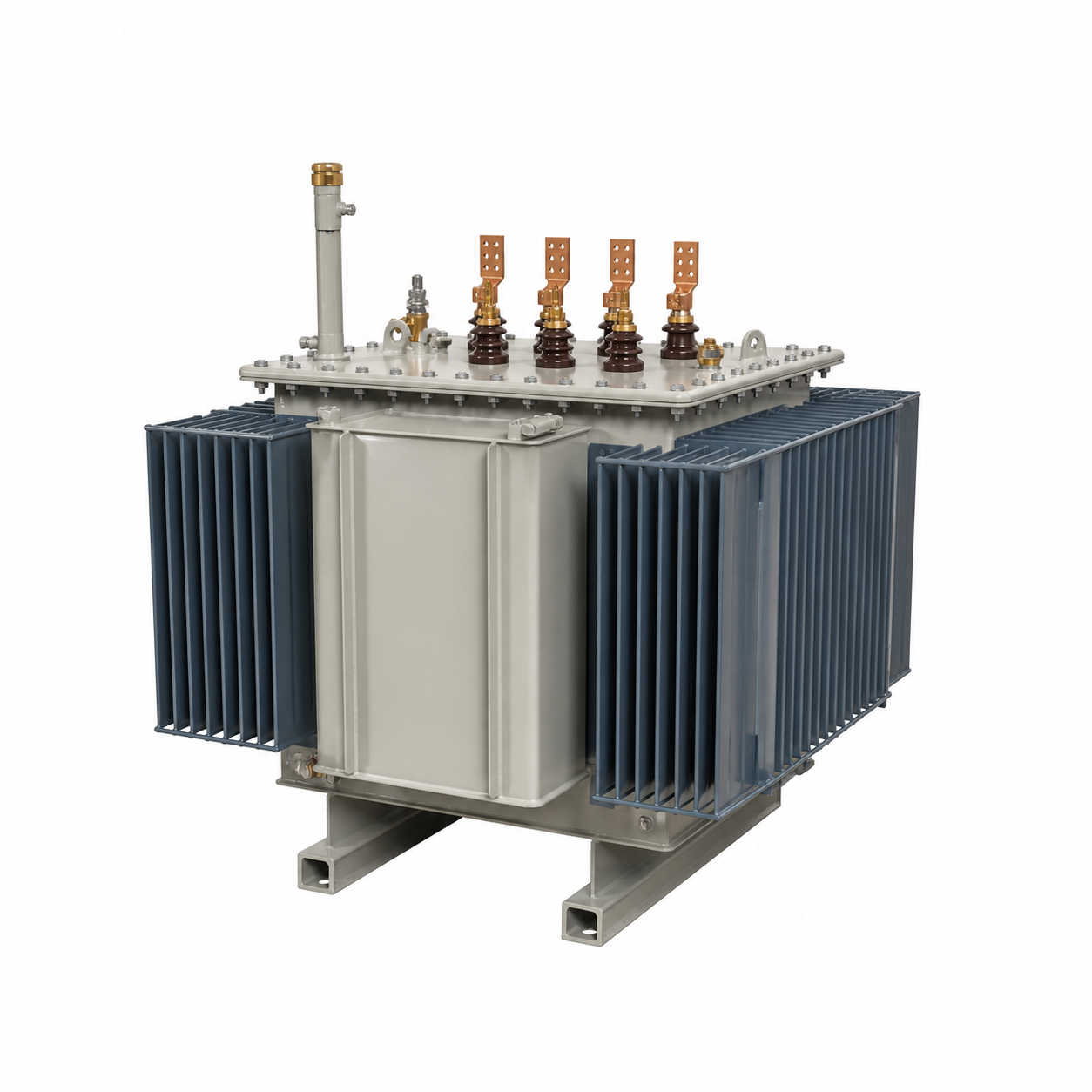
Transformer selection starts with the required voltage conversion, connected load and installation conditions. Explore general power transformation, renewable-energy interfaces and unusual operating duties as separate briefs before specifying construction and ratings.
Product routes
Review the function and interfaces, then view the equipment or discuss the project requirements.
Project-defined voltage conversion in a distribution or facility power system.
Transformer duty at a renewable-generation or storage power-conversion interface.
A nonstandard transformer duty that needs a project-specific technical brief.
Decision guide
Compare the application and design inputs before choosing a construction or asking for a rating table.
| Transformer category | Starting signal | Scope boundary | Project inputs to provide |
|---|---|---|---|
| Power Transformer | A specified voltage conversion for distribution or facility power | Dry-type versus oil-immersed construction still needs review | Single-line diagram, voltage pair, capacity and installation setting |
| New Energy Dedicated Transformer | An inverter or plant interface shapes the transformer duty | The transformer duty must be separated from the wider plant or station scope | Conversion-block diagram, AC interface and grid connection requirements |
| Special Transformer | Operating conditions do not fit an ordinary power-distribution brief | The unusual duty and feasible construction need technical review | Duty description, connected equipment and existing specification or nameplate |
Project sequence
Mark the transformer position on the single-line diagram, including the supply source, downstream load or power-conversion equipment and the required primary and secondary voltages.
Record the required capacity, frequency, phases, load profile and any repeated start, cycling or bidirectional operating condition that the specification must address.
Identify indoor or outdoor installation, ambient conditions, available space, access, cooling limitations and any restrictions on an oil-filled arrangement.
Add the target standard, loss or efficiency requirements, tap and vector-group requirements, drawings and quantity before comparing a proposed configuration.
A useful transformer enquiry separates what the power system needs from preferences about the equipment construction.
Engineering inputs
Procurement questions
No fixed choice is needed at the first enquiry. State the installation location, cooling and maintenance constraints, voltage combination and load duty. Those inputs let the construction paths be compared against the same project brief.
No. A substation brief also identifies switching, protection, metering, low-voltage distribution, enclosure and site interfaces. Use the Substations & Prefabricated Cabin family when the requested scope is a coordinated station rather than a transformer alone.
Show the transformer in relation to the inverter or conversion block and the collection or grid connection. The operating pattern, control boundary and plant drawing matter alongside the usual voltage and capacity inputs.
Yes. Include a legible nameplate, electrical specification, connection and outline drawings, plus the constraints that must remain unchanged. A nameplate alone may not show all site and cable-interface conditions.
No. Dry-type, oil-immersed and special-duty transformers require separate specifications. State the electrical duty and construction requirement so the relevant model data can be checked.