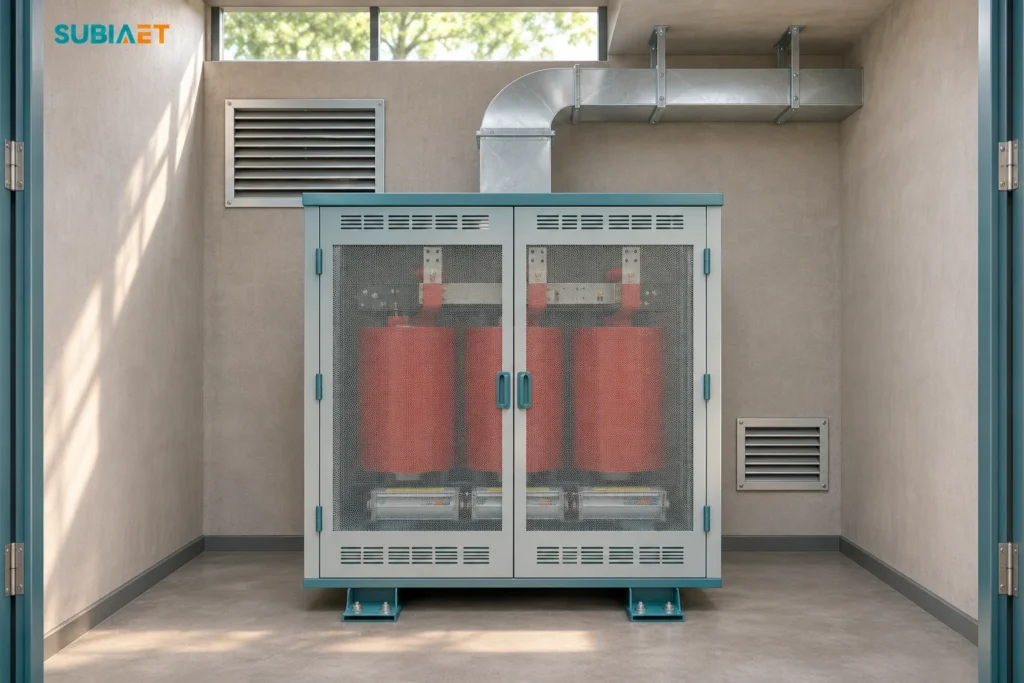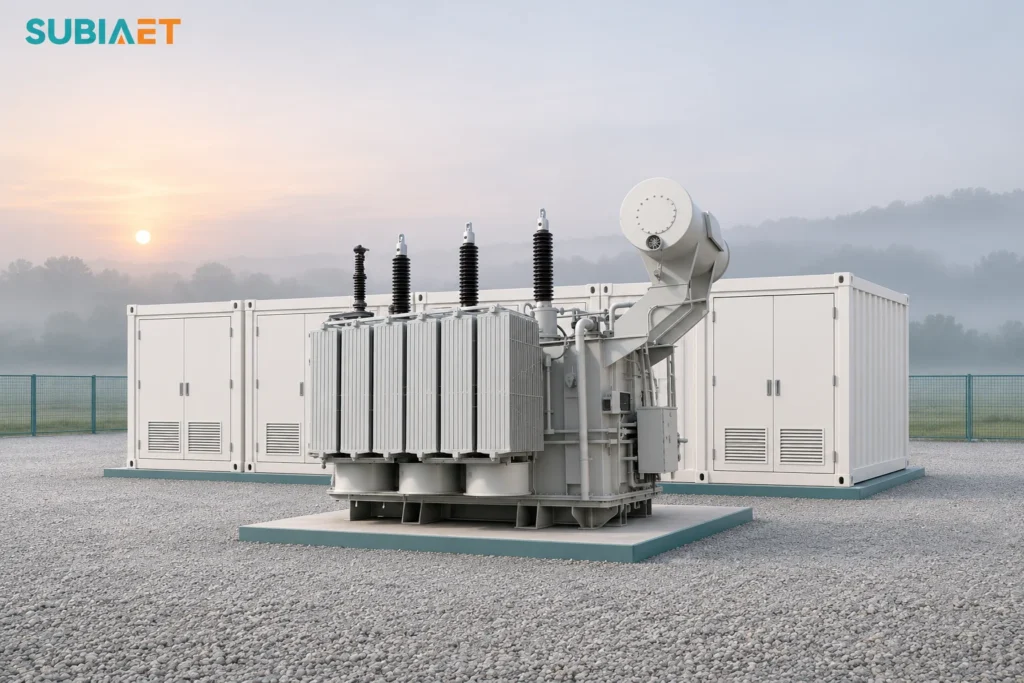
Oil-immersed and dry-type transformers in a workshop

Transformateurs

SUBIA manufactures and supplies transformers for utility networks, industrial facilities, buildings and energy projects. Explore eight product series, compare the electrical and installation requirements, and send your drawings for a configuration review.

Transformer Types and Uses

Transformer categories can overlap

Construction

Oil-immersed

+

Installation

Pad-mounted

Construction

Dry-type

+

Electrical function

Isolation

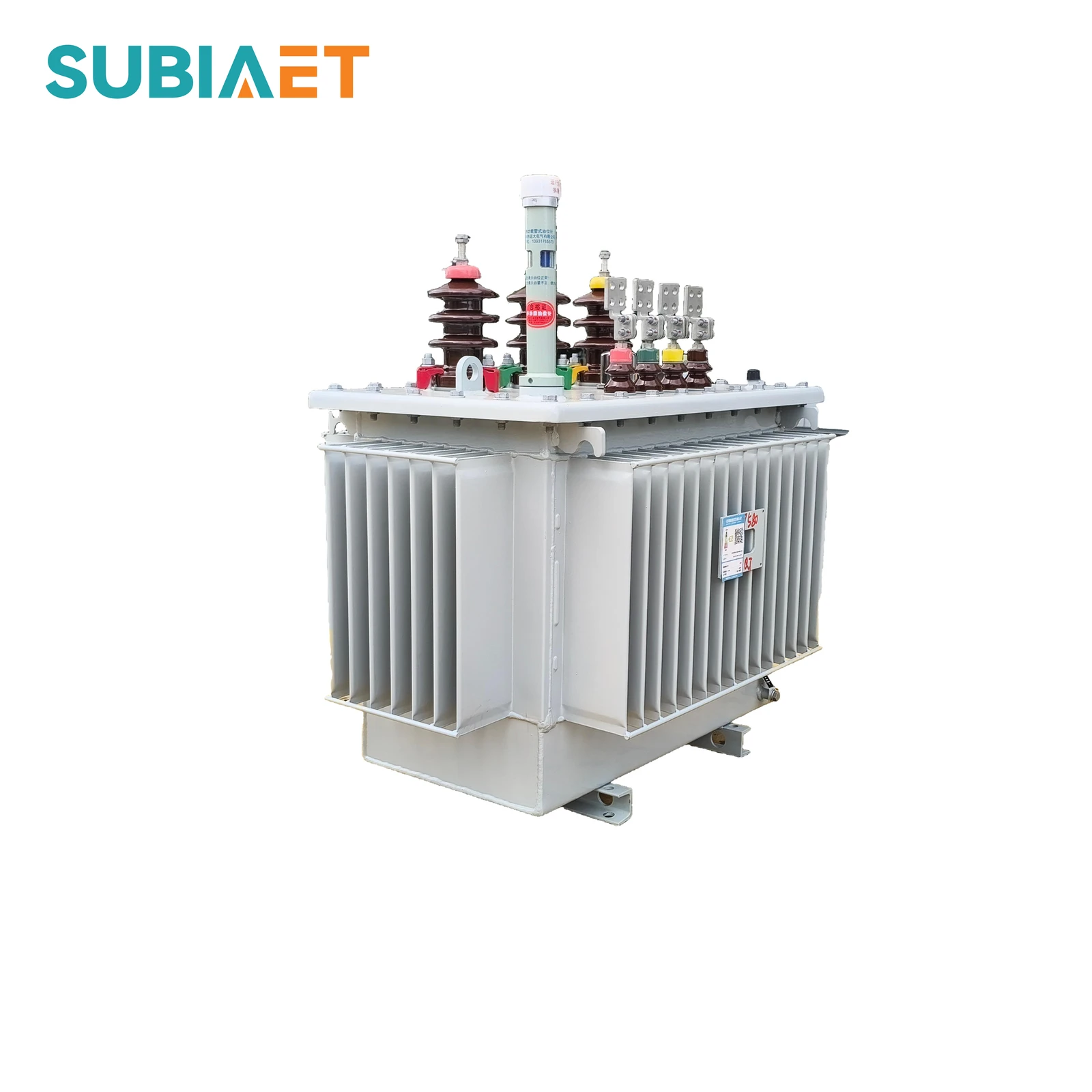
Transformateurs immergés dans l’huile

Use
Oil-insulated distribution
Check
  • Losses
  • Cooling
  • Oil containment
  • Tap operation
View series

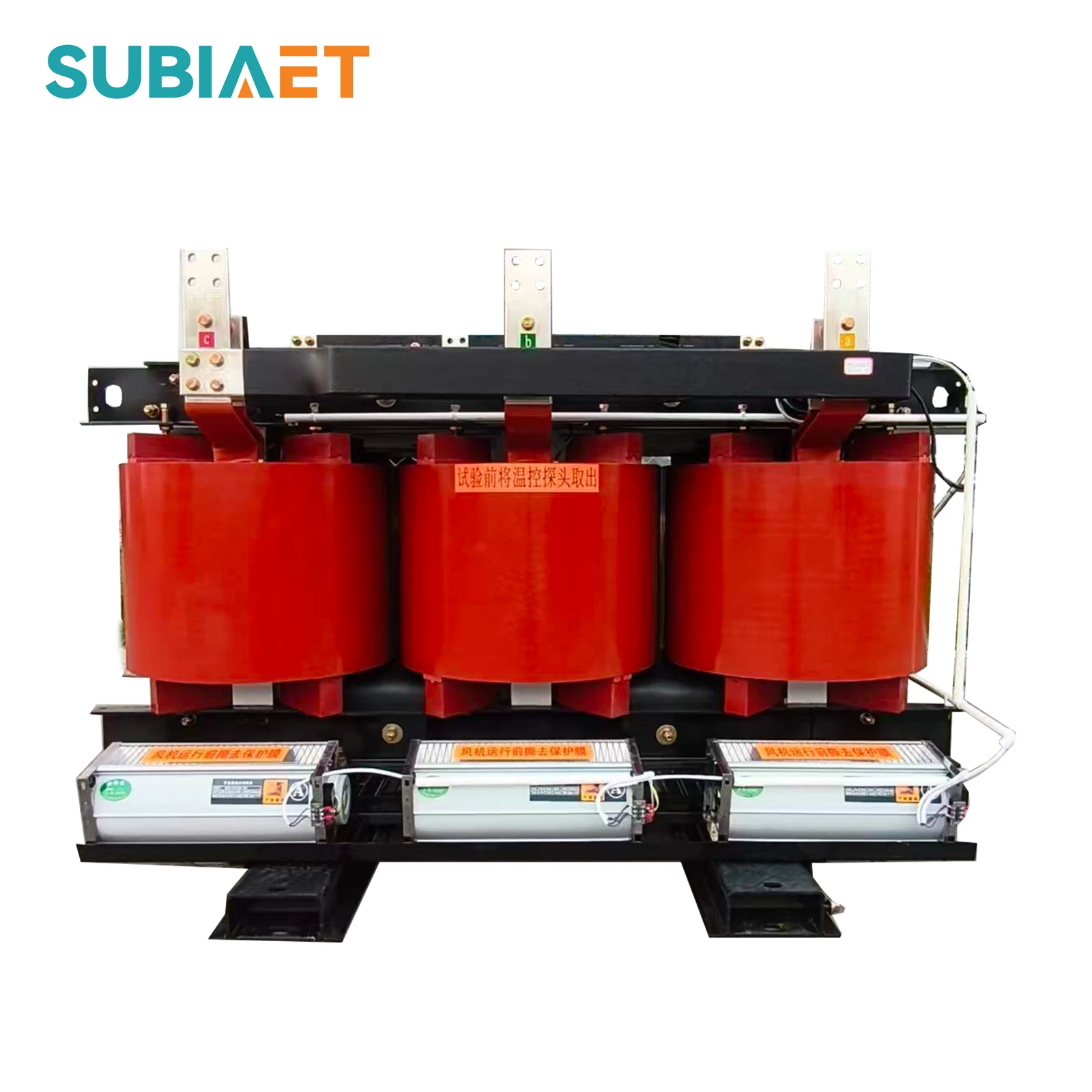
Transformateurs secs

Use
Indoor dry-type distribution
Check
  • Electrical data
  • Ventilation
  • Enclosure
  • Thermal conditions
View series

Transformateurs de puissance

Use
In-service voltage regulation
Check
  • OLTC duty
  • Tap range
  • Cooling stage
  • Control interfaces
View series

Transformateurs sur socle

Use
Outdoor supply with enclosed cable connections
Check
  • Switching
  • Protection
  • Terminals
  • Foundation interfaces
View series

Transformateurs de distribution submersibles S-MD

Use
Pour la distribution en fosse souterraine. Cuve d’huile étanche avec revêtement anticorrosion C5-M. Correctement montés, les connecteurs de câbles embrochables haute tension assurent l’étanchéité du raccordement sur les traversées compatibles.
Check
  • Water exposure
  • Operating state
  • Drainage & access
  • Heat removal
View series

Transformateurs de séparation

Use
Separate primary and secondary circuits
Check
  • Voltage ratio
  • Secondary system
  • Screening, if required
View series

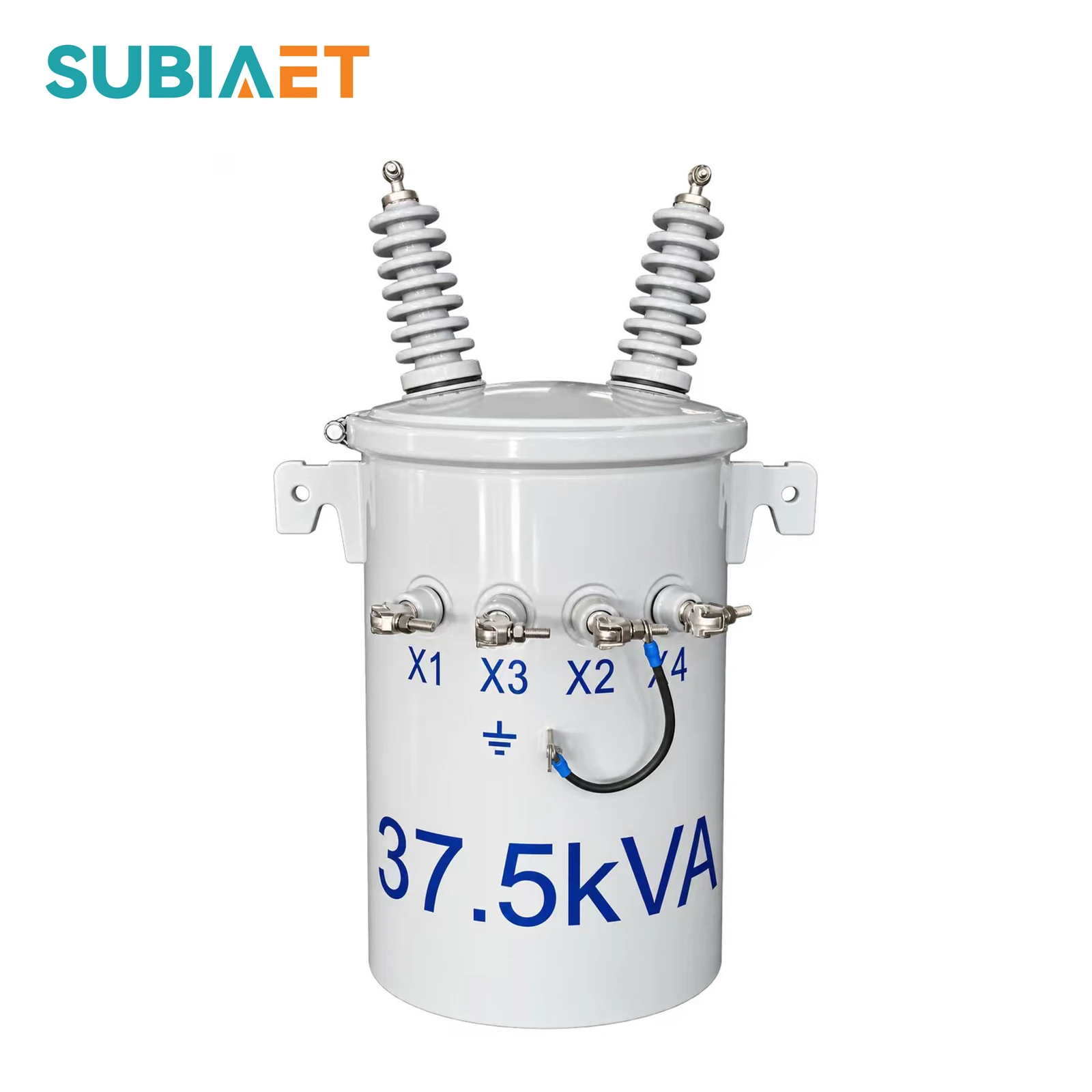
Single-phase Pole-mounted Transformers

Use
Single-phase pole-mounted supply
Check
  • System connection
  • Terminals
  • Pole interfaces
  • Bank arrangement, if used
View series

Transformateurs spéciaux

Use
Exigences électriques, conditions du site ou contraintes liées à l’enveloppe
Check
  • Caractéristiques électriques assignées
  • Enveloppe et refroidissement
  • Accès pour l’entretien et le nettoyage
View series
Oil-immersed
Oil containment · Drainage
Dry-type
Cooling-air path · Enclosure conditions
Oil-immersed vs dry-type: installation checks

Transformer Selection Guide

Operating requirements

Transformer Applications

Utility and secondary distribution

Utility distribution transformer and feeder cabinets serving an urban district

Start with retained connections, voltage regulation, feeder changes and permitted outages. Review power or oil-immersed transformers against the network duty.

Explore application Read a transformer nameplate

Industrial facilities

Enclosed dry-type transformer and switchboards beside a factory production hall

Establish coincident production demand, motor starting, drive inputs and expansion stages. Compare dry-type and oil-immersed installations with the room or outdoor site requirements.

Explore application Select an industrial distribution transformer

Infrastructures et équipements publics

Transformer power infrastructure serving a data-center campus

For charging hubs and data centers, distinguish charger or UPS input, cooling demand and maintenance transfers. Compare the required load cases and installation before selecting a transformer.

Explore application Review data-center transformer sizing

Renewable and distributed energy

Transformer serving a solar and battery energy-storage installation

Define inverter or PCS AC data, import and export duties, reactive power and the collector connection. Identify whether the quotation covers a transformer or an integrated step-up station.

Explore application Review BESS transformer sizing

Transformer Quotation Checklist

Supply scope

Comparison basis
Same equipment scope, electrical duty and acceptance conditions.
Supply limits
Mark terminals and boundaries on the single-line diagram; assign responsibility for external connections.

Installation & drawings

Site layout
Cable entry, terminal access, ventilation, maintenance clearances and delivery opening.
Underground duty
Pit details, water exposure and required operating state.
Requested documents
Data sheet, outline and connection drawings, cooling arrangement and accessory schedule.

Testing & acceptance

Acceptance plan
Applicable standard, document schedule, acceptance criteria and witness points.
Test evidence
Design/type tests matched to the proposed model and configuration; unit-traceable routine results with test conditions.

Shipping & handover

Dispatch documents
Approved document revisions, operating instructions and packing list.
Packing & handling
Separately packed accessories and lifting information.
Site checks
Assign responsibility and acceptance criteria for site checks; include them in the equipment schedule.

Why Choose SUBIA for Transformers

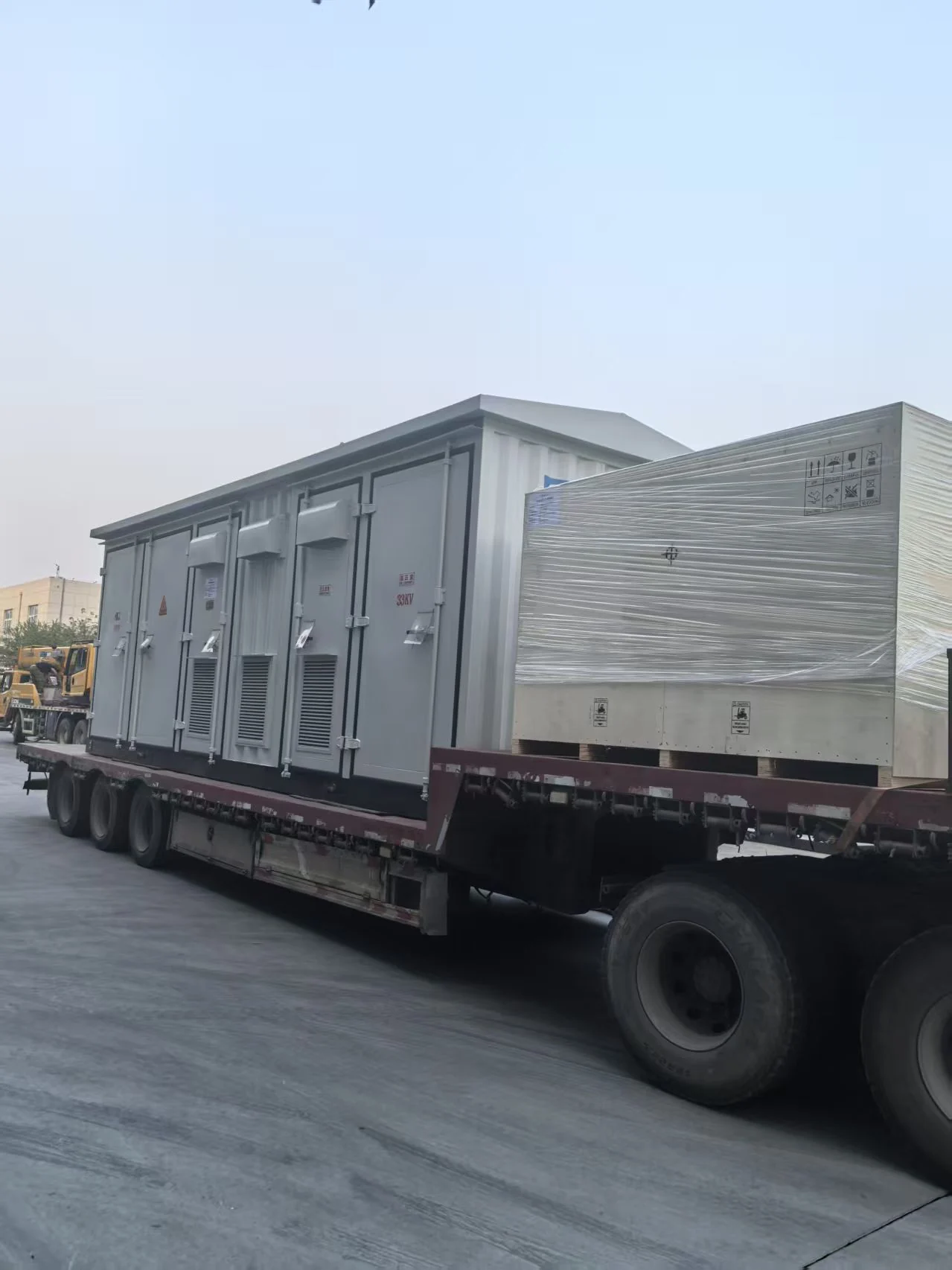
Prefabricated electrical equipment and a wrapped shipment loaded on a flatbed truck
Equipment loaded for dispatch.

Engineering for your project

SUBIA develops transformer configurations from your ratings and drawings, reviewing the electrical requirements and installation interfaces together.

Transformer manufacturing

Transformer design, production and sales are coordinated in Yueqing, Wenzhou to support the technical requirements of your order.

Traceable test records

Routine test records identify the supplied transformer, while applicable type-test documents are matched to the model, rated voltage and required standard for review.

Packing and delivery coordination

Packing lists, package markings and accessory details are coordinated with the agreed delivery scope, helping your team plan equipment receipt, lifting and unloading.

Transformer Selection & Procurement FAQs

Can I request a quotation before selecting a series?

Yes. Send the required voltage pair, estimated load, installation location and a single-line diagram if available. Identify which information is confirmed and which still needs review. SUBIA can use that brief to discuss the construction and configuration with your team.

What should I send for a replacement transformer?

Include the existing nameplate, connection and outline drawings, cable or busbar interfaces, load information and the planned outage. Identify dimensions and connections that must remain unchanged. Include the details of any transformer that will operate in parallel with the replacement.

Is one larger transformer the best way to allow for expansion?

Compare the planned load stages and the installation before deciding. A larger unit, a later additional unit and a revised supply arrangement create different loading, space and connection requirements. Include the expected expansion date, operating plan and permitted shutdowns in the review.

Which test documents should accompany the quotation?

Specify the required standard and evidence in the enquiry. Ask which documents apply to the proposed design, which results will identify the supplied unit, and which inspections require your participation. Agree the document list and acceptance requirements before the order progresses.